
06 Aug Signs You or Your Child Need Orthodontic Treatment
Orthodontic treatment isn’t just about achieving a beautiful smile; it plays a crucial role in maintaining overall oral health. Detecting the need for orthodontic care early can prevent more serious issues down the road. Here are some key signs that you or your child might benefit from orthodontic treatment.
1 – Misaligned Teeth
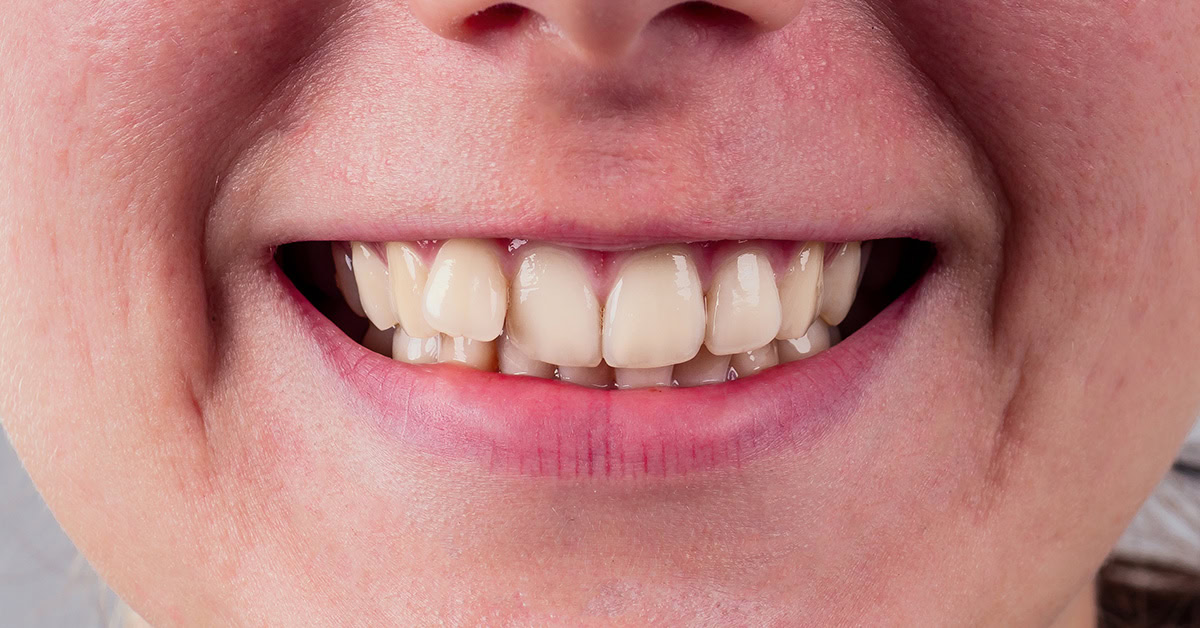
One of the most obvious signs is misaligned teeth. If you notice that teeth are crooked, overlapping, or twisted, it’s a clear indication that orthodontic intervention is needed. Misaligned teeth can cause difficulties in cleaning, leading to plaque buildup and increased risk of tooth decay and gum disease.
2 – Crowded or Gapped Teeth
Crowded teeth can make brushing and flossing challenging, increasing the risk of cavities and gum disease. Conversely, gaps between teeth can cause speech problems and make your smile less attractive. Both conditions can be effectively addressed with braces or clear aligners.
3 – Bite Issues
Bite problems, such as overbite, underbite, crossbite, and open bite, can lead to various complications:
- Overbite: When the upper front teeth overlap excessively with the lower front teeth.
- Underbite: When the lower teeth extend beyond the upper teeth.
- Crossbite: When some upper teeth sit inside the lower teeth rather than outside.
- Open Bite: When the upper and lower teeth don’t touch when the mouth is closed.
These issues can affect chewing, speaking, and even breathing, making orthodontic treatment necessary.
4 – Difficulty Chewing or Biting
If you or your child experiences pain or difficulty while chewing or biting, it could indicate an orthodontic issue. This discomfort often arises from misaligned teeth or jaw problems, which can be corrected with orthodontic appliances.
5 – Mouth Breathing or Snoring
Mouth breathing, especially during sleep, can be a sign of a narrow jaw or other orthodontic issues that obstruct the airway. Snoring and sleep apnoea are often linked to such problems. Orthodontic treatments can help expand the airway and improve breathing patterns.
6 – Speech Difficulties
Misaligned teeth and jaw issues can affect speech clarity, causing lisping or difficulty pronouncing certain sounds. If you or your child struggles with speech, an orthodontist can assess whether dental misalignment is the root cause and recommend appropriate treatment.
7 – Thumb Sucking or Prolonged Use of Dummies
Thumb sucking and prolonged pacifier use can lead to dental issues like overbite or open bite. If these habits persist beyond the toddler years, they can impact the alignment of teeth and jaws, making orthodontic intervention necessary.
8 – Jaw Pain or Clicking
Jaw pain, clicking, or popping sounds when opening or closing the mouth can indicate temporomandibular joint (TMJ) disorders. These issues can be exacerbated by misaligned teeth and may require orthodontic treatment to alleviate the symptoms.
9 – Early or Late Loss of Baby Teeth
The timing of losing baby teeth is crucial for the proper development of adult teeth. Losing baby teeth too early or too late can lead to misalignment of the permanent teeth. Regular dental check-ups can help monitor the timing and address any concerns with orthodontic solutions.
10 – Family History of Orthodontic Problems
Genetics play a significant role in dental health. If you have a family history of orthodontic problems, such as misaligned teeth or jaw issues, there’s a higher likelihood that you or your child might need orthodontic treatment.
Conclusion
Recognising the signs that you or your child might need orthodontic treatment is the first step towards ensuring optimal oral health. Early intervention can prevent more severe problems and lead to a lifetime of benefits, including improved oral hygiene, better chewing and speaking abilities, and increased confidence with a beautiful smile. If you notice any of these signs, scheduling a consultation with an orthodontist can provide clarity and set you on the path to a healthier, happier mouth.