
13 Aug The Impact of Orthodontics on Breathing and Speech
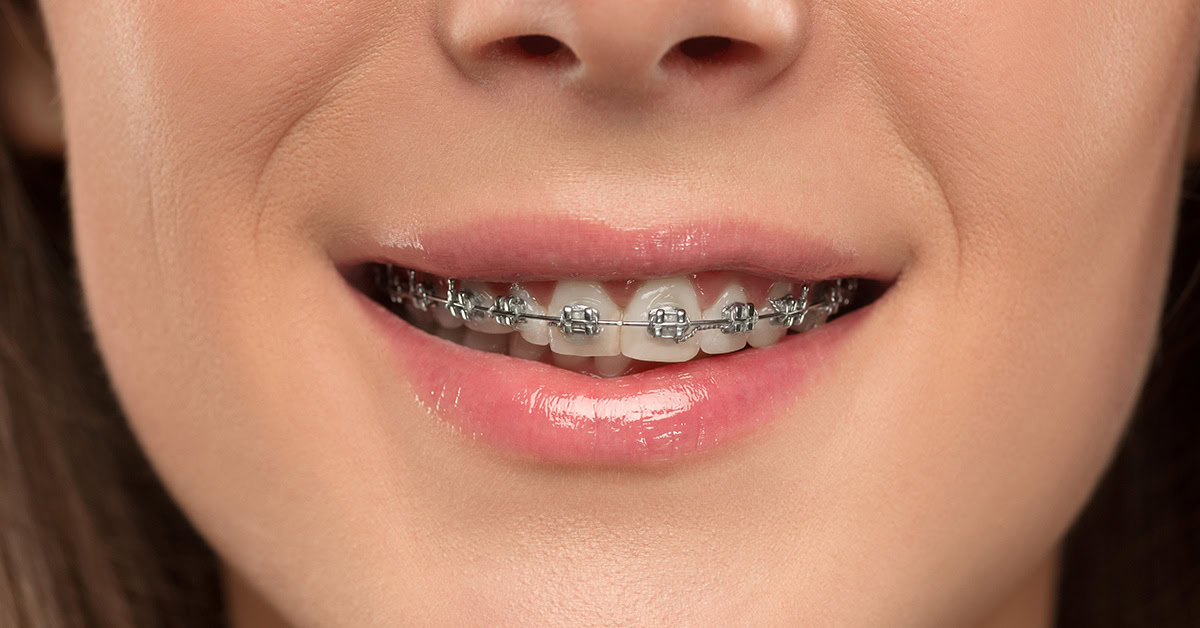
Orthodontics, traditionally associated with aligning teeth for aesthetic purposes, plays a crucial role in overall oral health. Beyond creating beautiful smiles, orthodontic treatments can significantly impact breathing and speech, improving quality of life in profound ways.
The Connection Between Orthodontics and Breathing
Breathing is a fundamental aspect of our health, and the alignment of our teeth and jaw can greatly influence our respiratory efficiency. Misaligned teeth and improper jaw positioning can contribute to airway obstructions, leading to issues such as mouth breathing, sleep apnoea, and other respiratory problems.
1. Mouth Breathing
Mouth breathing, often a result of nasal obstructions or malocclusion (misalignment of teeth), can lead to several health issues, including dry mouth, gum disease, and bad breath. Orthodontic treatments, such as braces or palate expanders, can help realign the jaw and teeth, encouraging proper nasal breathing. By expanding the upper jaw, orthodontics can increase nasal airway volume, facilitating easier breathing through the nose.
2. Sleep Apnoea
Sleep apnoea, a condition where breathing repeatedly stops and starts during sleep, is often linked to orthodontic issues. Conditions like a narrow upper jaw or a recessed lower jaw can restrict the airway. Orthodontic interventions, including braces, jaw repositioning appliances, and even surgical options, can help enlarge the airway, reducing or eliminating sleep apnoea symptoms.
The Role of Orthodontics in Speech Improvement
Speech is a complex process that involves the coordination of various muscles, including those of the tongue, lips, and jaw. Misaligned teeth and jaw positions can interfere with this coordination, leading to speech impediments such as lisps, difficulty in pronouncing certain sounds, and overall unclear speech.
1. Articulation Issues
Certain sounds, particularly sibilants like “s” and “z,” require precise tongue placement against the teeth. Crowded, gapped, or misaligned teeth can disrupt this placement, leading to articulation problems. Orthodontic treatment can align the teeth properly, allowing for clearer pronunciation of these sounds.
2. Tongue Thrust:
Tongue thrust, where the tongue protrudes through the front teeth during speech or swallowing, can be caused by misaligned teeth. This condition not only affects speech clarity but can also lead to further dental problems. Orthodontic appliances can help retrain the tongue and correct dental alignment, thereby improving speech.
Holistic Benefits of Orthodontic Treatment
The benefits of orthodontic treatment extend beyond the correction of dental alignment. By addressing issues related to breathing and speech, orthodontics contributes to overall health and well-being. Improved breathing can enhance sleep quality, energy levels, and even cognitive function. Clearer speech boosts confidence, social interactions, and academic or professional performance.
Conclusion
Orthodontics is much more than a cosmetic solution; it is a vital component of holistic health care. By correcting dental and jaw misalignments, orthodontic treatments can significantly improve breathing and speech, leading to a healthier, more confident, and articulate individual. If you or a loved one experiences issues with breathing or speech, consulting with an orthodontist may provide solutions that go beyond a beautiful smile, offering lasting improvements in overall quality of life.